Rebellion is a kiss of fire in life.
It’s what keeps life feeling electric. For me, in a creative sense, rebellion isn’t about defiance for its own sake. It’s about giving yourself permission to flirt with your innermost ideas, to experiment and play, to ask the questions you’re a little scared to ask, and to see what happens when you follow your own instincts. Some of the best ideas come from stepping off the expected path and letting creativity take its time to mature. In a world full of pressure and noise, it’s one of the things that keeps us alive and open, and its byproduct is a life of our own.
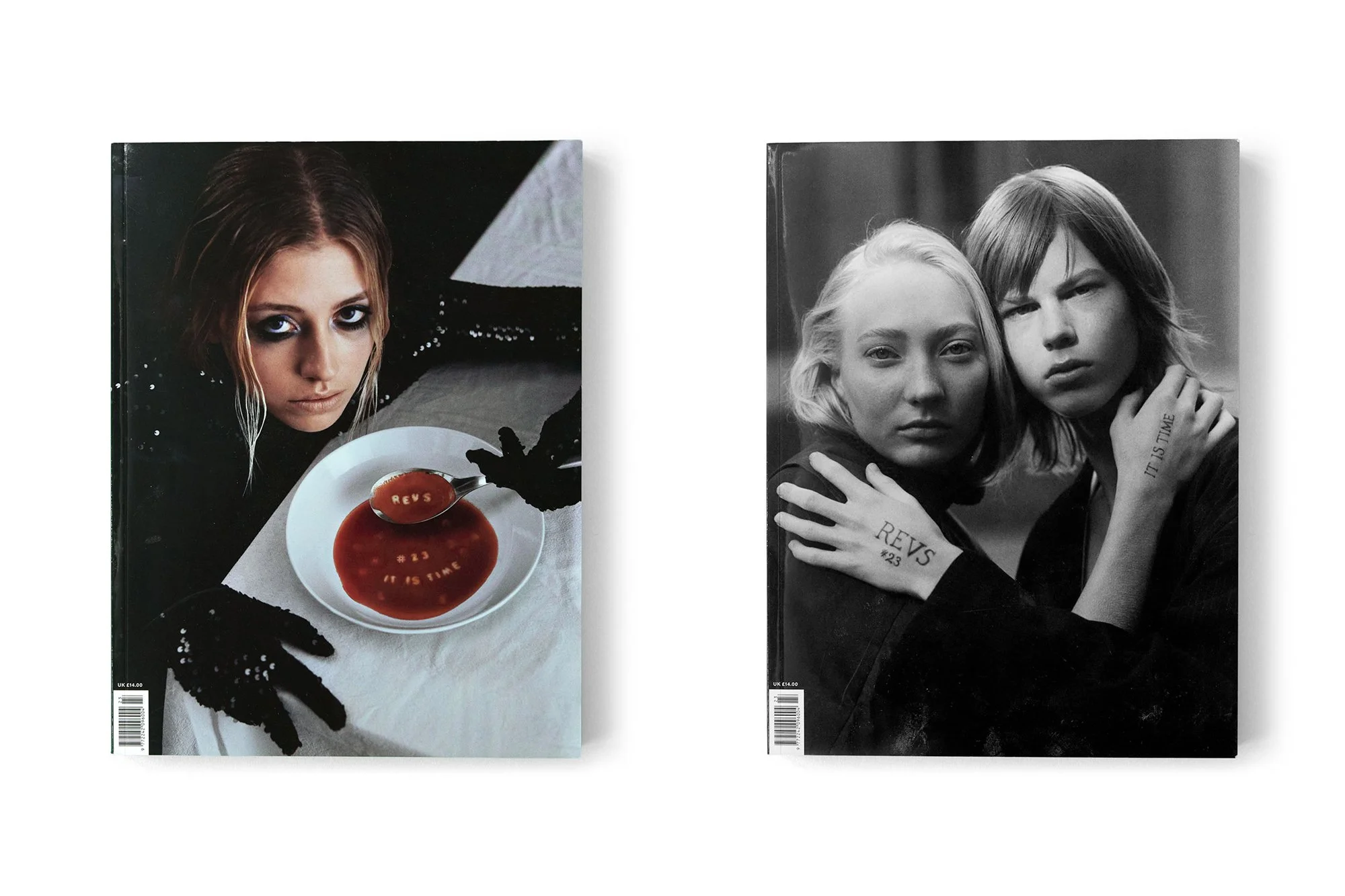
This idea of following curiosity and trusting your instincts comes through beautifully in my conversation with Federico Cabrera, founding editor-in-chief and creative director of Revs magazine. Born in Buenos Aires and now based in Helsinki, Federico is an art director and photographer who works across editorial, commercial, and art projects.
From childhood walks under jacaranda shadows and the shifting streets of Buenos Aires to discovering music and subcultures that shaped his eye, he found early gateways into creativity. Nature, city, music, and underground communities all shaped the way he sees the world and guided him toward the work he does today.
Federico also talks about the beauty of deconstructing and subverting rules. He shares stories like improvising a fashion shoot with nothing but fluorescent lights, learning that rules are important but not definitive, and that sometimes breaking them is the only way forward. We also talk about why Revs begins with the line “This is Not A Fashion Magazine. This is You and Me Talking,” and why creating a physical magazine in the age of digital feels like an act of care and connection.
In this issue of A TASTE OF, we’re exploring the spirit of rebellion.
Q: Thinking back to your childhood or teenage years, what were the things you were naturally drawn to that now feel like little signs pointing to the work you do today?
A: During my childhood in Buenos Aires, I didn’t have access to much art or creative tools outside of school, but my most vivid memories are brief moments of unusually precise visual composition. Walking alone, watching Jacaranda tree shadows move softly across the pavement in the summer breeze; the worn facades of neighborhood houses, as if time had stopped in the 1920s; or the absolute greyness of the “microcentro,” and its narrow streets and tall office buildings, the financial district by day, turning to a dystopian, decaying future by night.
Later in the early 90s, music was everything to me, but equally captivating was the tribe-like street culture that spawned from it during that era, and its distinctive aesthetics. This influenced me and shaped my vision, channeling my storytelling into imagery. In time came my first photography assignments and projects, making it clear that my path was leading me to where I am today.
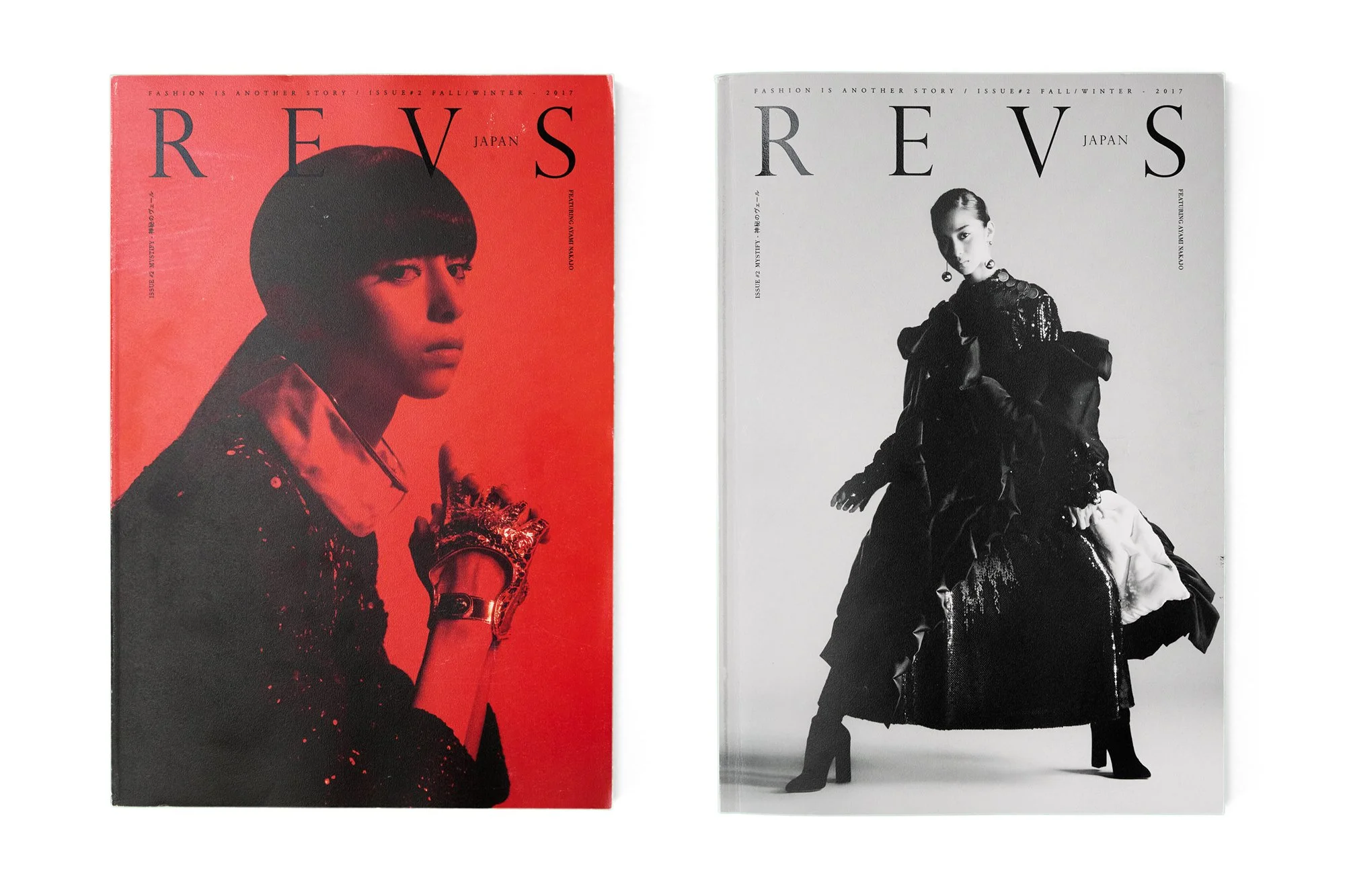
Q: REVS opens with “This is Not A Fashion Magazine. This is You and Me Talking.” Looking back, who or what were the first voices or ideas you felt you were “talking” with creatively, and can you see a thread connecting them to the magazine you created?
A: Revolutions, justice, and love, these are three themes that inspired me early in my career. Growing up, I often felt like I was on the outside looking in, which urged me to want to change things and made me feel committed to being part of that change. I chose to play that role as a photographer and later as an editor, doing it with love and beauty, creating the image of the world I wanted to be a part of.
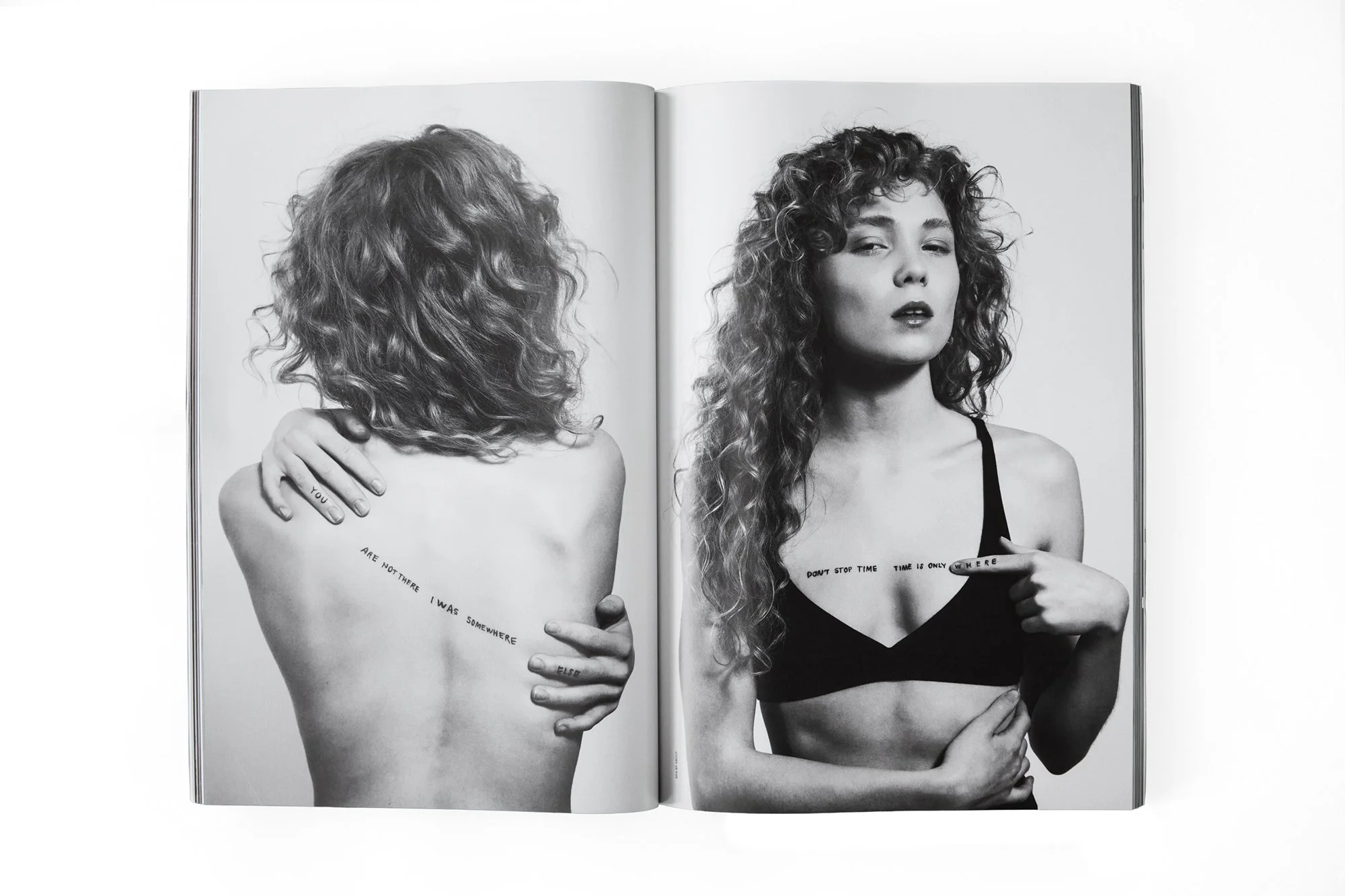
Q: Was there an experience or a person who taught you how to break the rules beautifully?
A: Many years ago, when my friend and I started a fashion label and needed imagery for it. Even though I had taken a long break from photography by then, I decided to take on the task as we didn’t have the budget for a professional shoot. The challenge was that I had no formal training, experience, or knowledge about working with studio lights or creating a fashion campaign. Drawing inspiration from Dan Flavin’s work, and seeing that the only lights available were slim fluorescent light tubes, I tied eight of them to two wheeled clothing racks and placed them at the sides of the model. I moved them back and forth, trying to find the right light on the model’s face and body, observing how the light would change the mood and intensity of the image.
This improvised setup led to many photo series for the Gilles Et Dada label, some of which even ended up in art books at the time. That experience taught me that rules are important, but they aren’t definitive, sometimes breaking them is the only way forward.
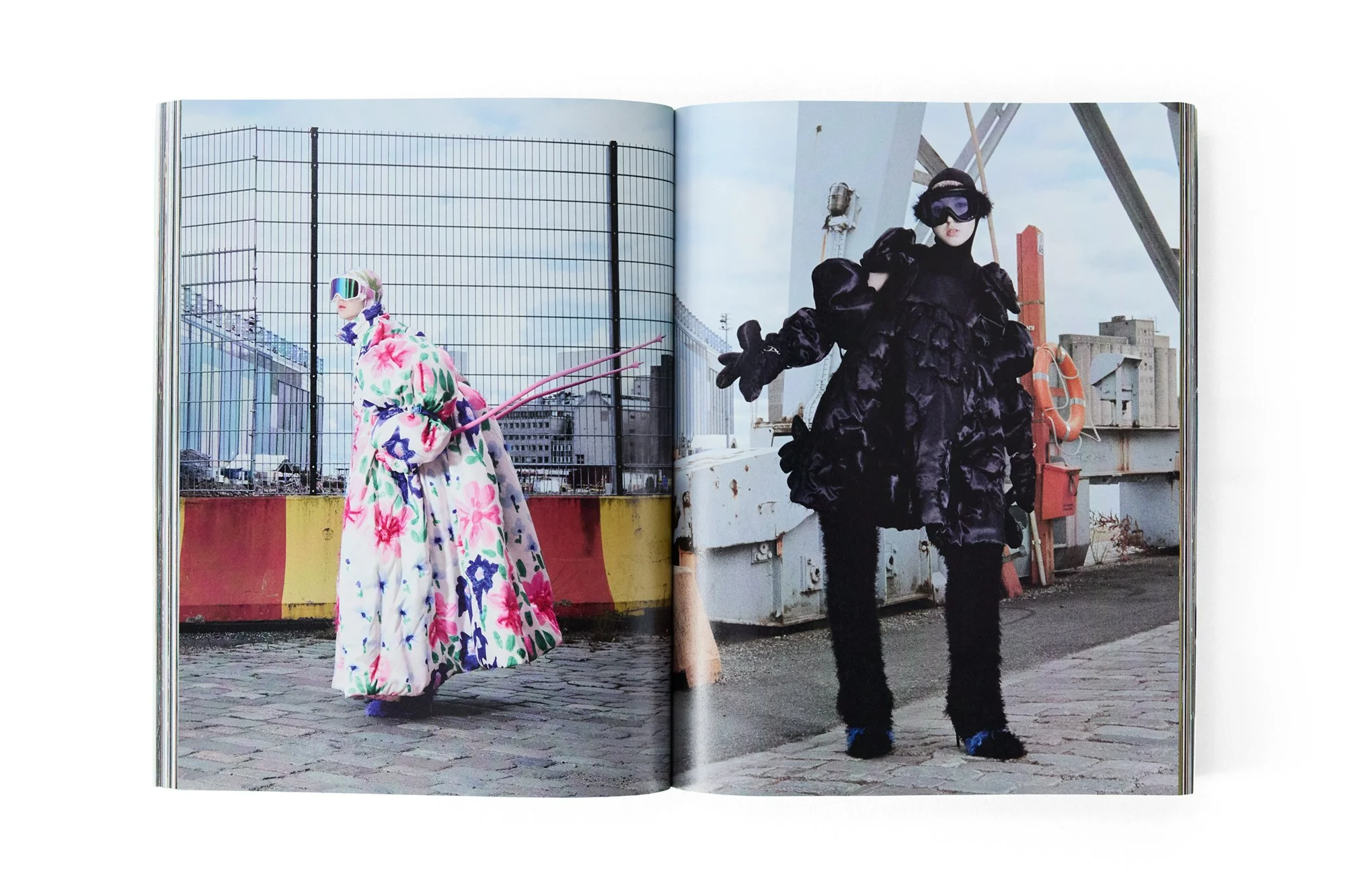
Q: When you look at your journey from Buenos Aires to Helsinki, from photographer to editor, what experiences or obsessions led you to create a magazine that is as much about emotional exchange as it is about images?
A: I think experiences made me who I am and how I think. Looking back, I would say that what led me to create a magazine was more of a realization than anything else. We all connect through emotions, and we easily find similarities and share empathy for one another. My feeling back then was that we were taking these connections for granted. By pursuing individuality, we were forgetting certain bonds, and we were starting to crave connection. Yet, I didn’t feel there was a publication using fashion to achieve this, or at least in a way that felt genuine to me. To speak of emotions and realities we can all connect with, in the context of fashion, art, and beauty. REVS was, and still is, about speaking to something fundamentally human within that beautiful context.
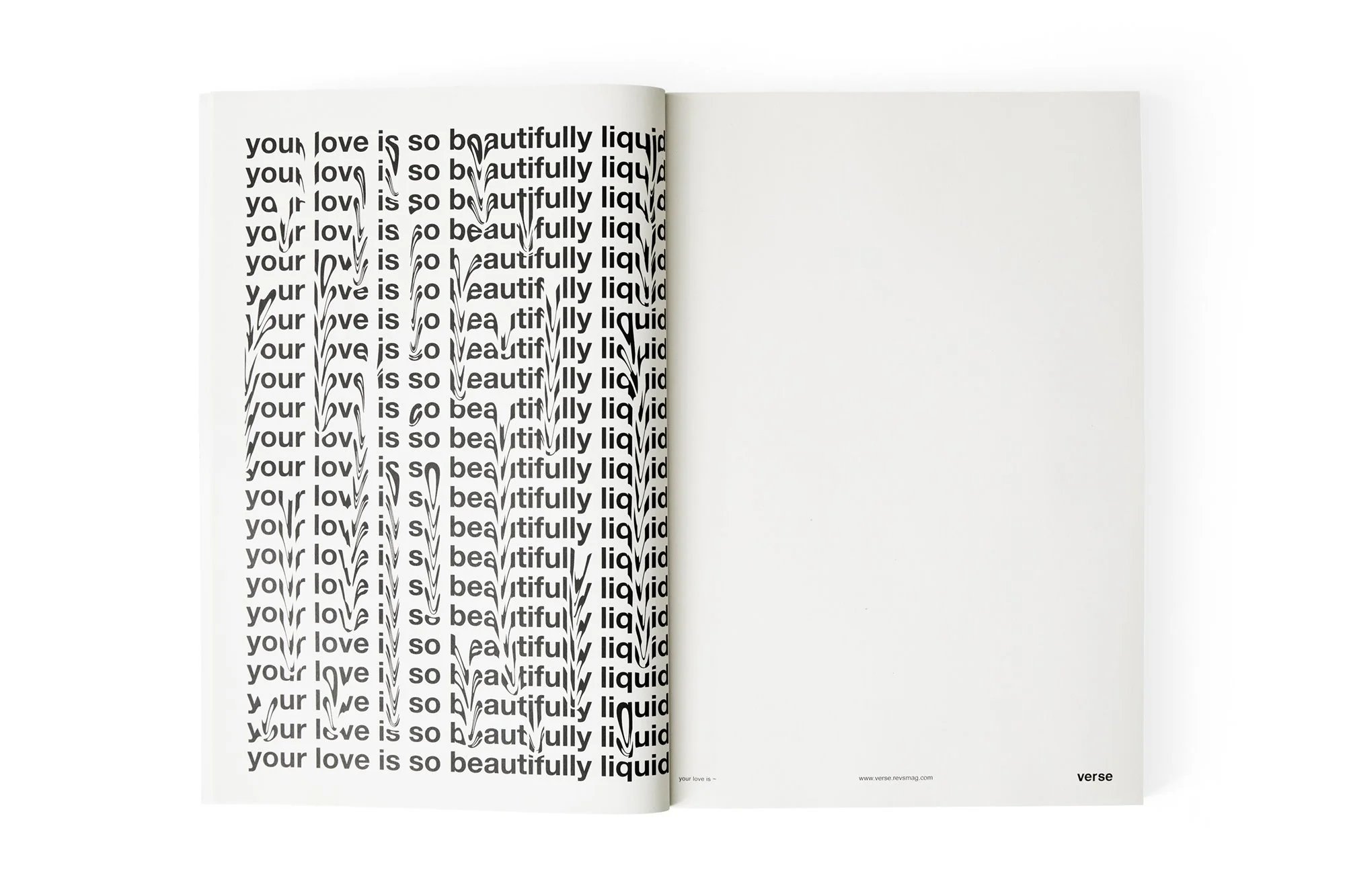
Q: At a time when everyone was saying print was dying, you chose to make something physical that would live in people’s hands. What pulled you in that direction? Was it a conscious reaction to that conversation, or were you chasing something you could not find online?
A: There’s an undeniable value and uniqueness in experiencing imagery and design on paper. No matter what we consider most efficient, that remains a fact. It’s always been clear to me that those who dismiss print often view the world through the lens of commerce first, not art. REVS is not limited to that language; its presence isn’t bound by those rules. If a brand prioritizes reaching its audience through digital platforms, in numbers, it’s an understandable choice. I only hope they’re aware of the difference between connecting through a social media post and through a printed title; one should not replace the other. A printed title is an object made of so many layers represented by time, contributions, and collaborations, and an item often treasured by its reader for years.
Personally, I feel immensely blessed to have the opportunity to work on such a project. Being part of the creation of an object that inspires, includes, evolves, and informs is one of my most treasured experiences and a defining work in my career.
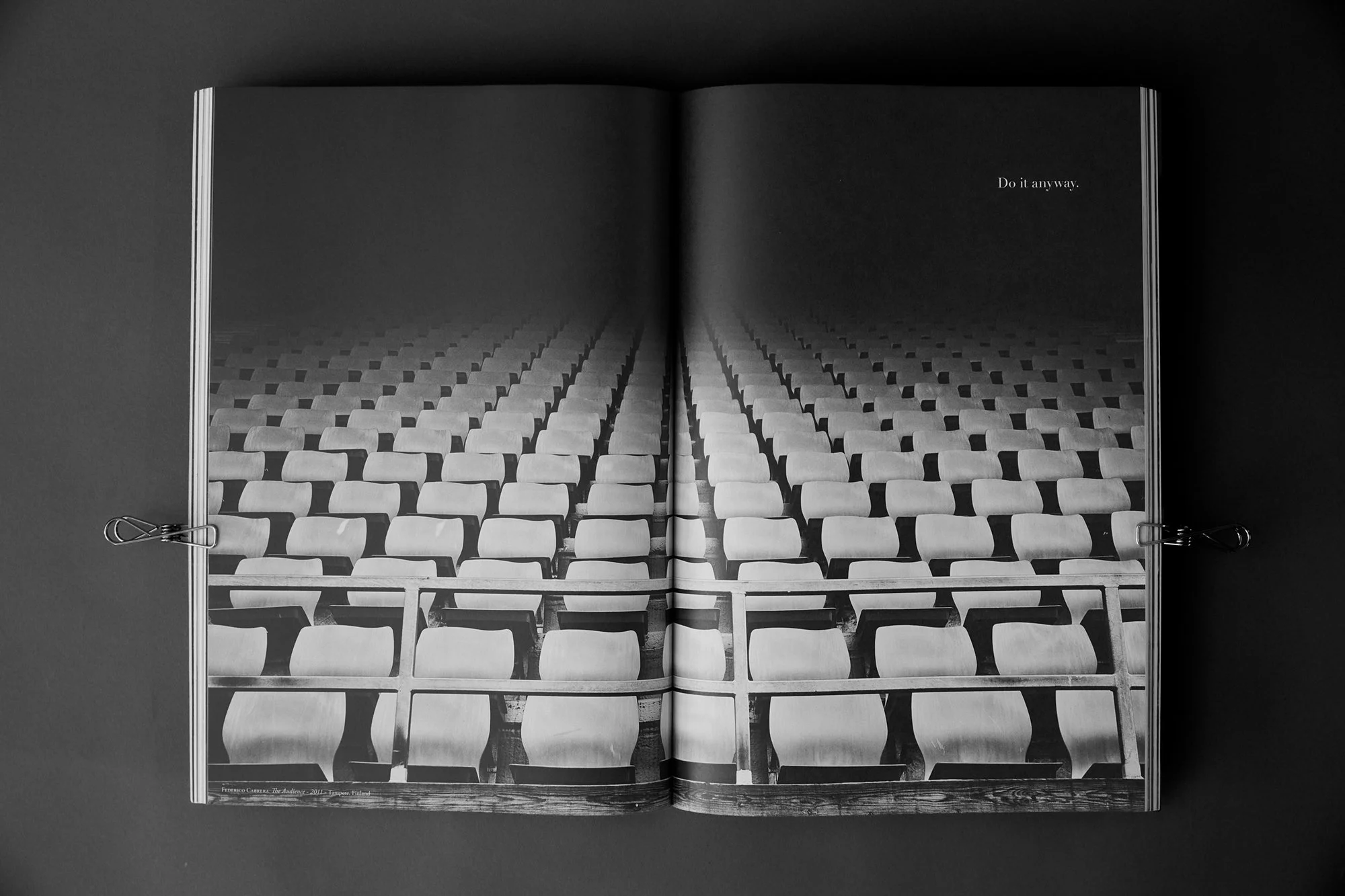
Q: When you’re shooting, how do you know you have wandered off script in the best way, like “okay, this is where my curiosity was trying to take me?”
A: Off-script moments are always good, but context is everything. When I’m shooting for myself, being present is the key. If you’re connected with your team and your subject, you can allow yourself that freedom. The moment when the shift happens will be different every time, but it’s your own intuition that signals when something feels right. You just have to learn to listen to it.
Q: What’s on your radar these days - publications, music, films, anything you can’t stop thinking about?
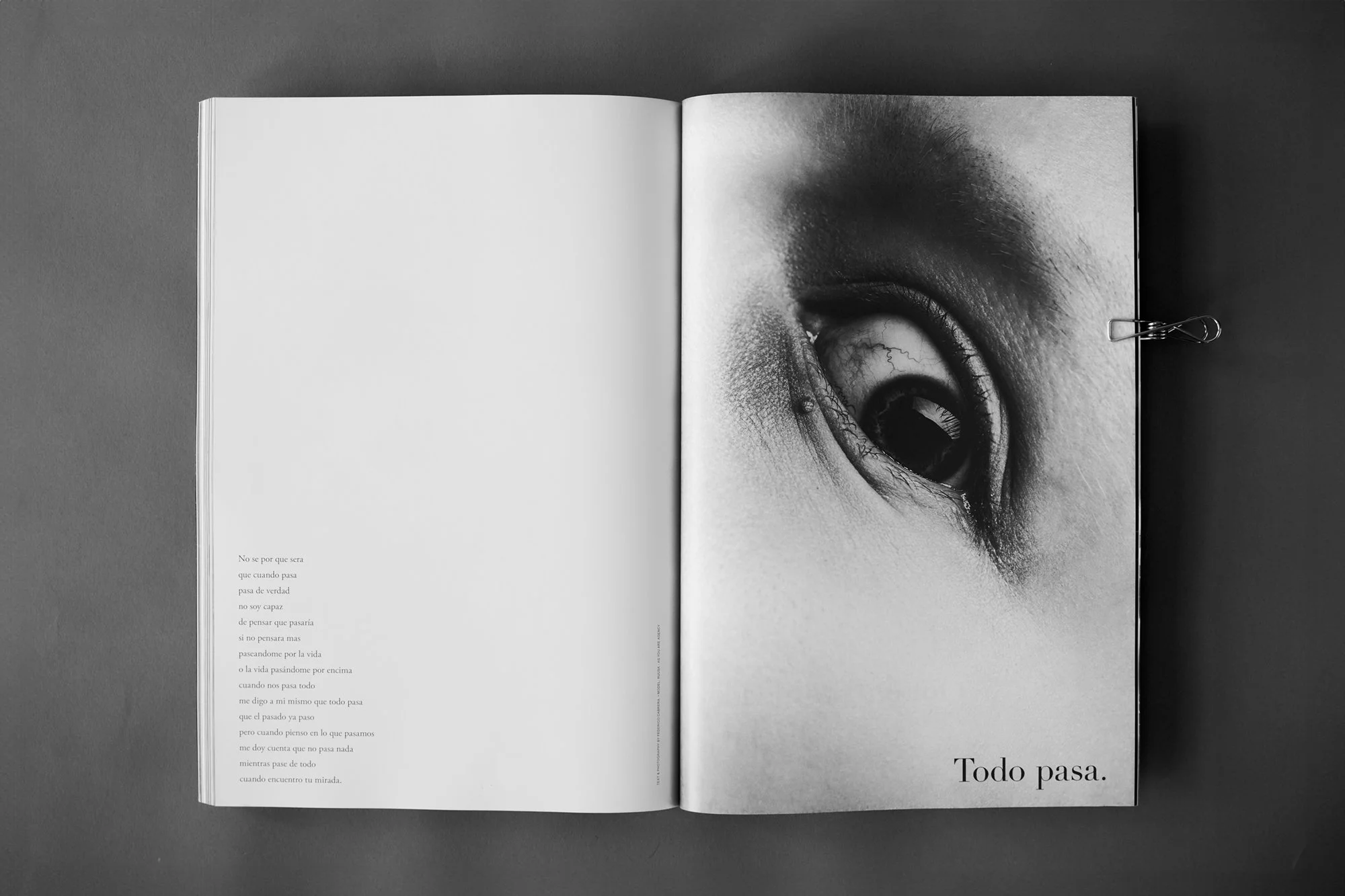
A: So many things! In music, my most exciting discovery this year was Turnstile. Their album “Never Enough” is perfect. The band’s visuals and imagery are also beyond impressive, with direction from band members Brendan Yates and Pat McCrory, as well as cinematographer Ian Hurdle, just excellent work!
In films, my list is always too long, but recently I watched “Train Dreams” by Clint Bentley, a truly beautiful film. I must also recommend “Bugonia,” “The Carpenter’s Son,” and “The History of Sound.”
When it comes to publications, I think Carcy is having a great moment, and Buffalo Zine’s recent take on the realities of independent publishing is very interesting and important. Hats off to both!
Q: Through all the risks, detours, and experiments, what’s the one thing you’d pass along to someone finding their own path?
A: There is nothing like a heartbreak to learn about love, and failures to show us life’s biggest lessons. These are things we hope to avoid, yet they shape us, strengthen us, and define our uniqueness. Use these in your creative expression, your heart knows the way, always.
Thanks for being here. <3
